Be Outlandish. Write Books with Wings #amwriting #nanowrimo

fox2bsmelling2bflower

Photo credit: front-porch anarchist 2012


As a writer, here are some things I try to remind myself.

Reach out for, and welcome, scary, crazy ideas because those can be the most brilliant. (Ask Vincent, Sylvia, F. Scott, and the gajillion artists who’ve come before us.)

Don’t be afraid to be outlandish. Think outside the box. Believe there is no box. When writing, allow yourself the freedom to freewheel unfettered through a galaxy of creativity. God, I love that part.

Revise with confidence. Don’t beat yourself up if you don’t immediately get things right. Big, scary, daunting, multi-faceted, novel revision is a marathon, not a sprint–a marathon during which you get to stop and smell flowers, daydream, listen to music, and read other books (how cool is that?), with the ultimate goal of crossing the finish line with a novel you can be proud of.

Polish your novel until it has wings to fly: to overworked literary agents who perk up because you’ve written exactly what they’re looking for; to readers who are moved by your words, excitedly turn each page, and feel a sense of loss when they reach the last word.

Then write more novels to make those readers happy again.

–Eve Messenger

What You Can Do Now to Prepare for NaNoWriMo

For many writers, National Novel-Writing Month has become a joyful tradition like Christmas or the Super Bowl. NaNoWriMo is also crazy–riding-a-bucking-bronco kind of crazy (50,000 words in month?!). The good thing is that for the whole month of November we get to indulge in pure, unadulterated writing bliss. The bad thing is that, because we’re writing so much so fast, we sometimes end up with 50,000 words (or more) of “litter”-ature.

I hereby declare that it is possible to enjoy the adventure, camaraderie, and thrill of NaNoWriMo while also writing a cohesive first draft.

How?

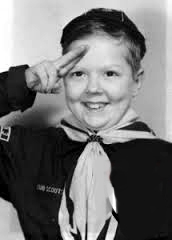
Like the Boy Scouts motto goes: Be Prepared.

Boy Scout Pledge

In the final days leading up to NaNoWriMo:

1. Write an outline. In the interests of avoiding a sprawling, unworkable mess of a first draft, head into NaNoWriMo with a plot outline. It doesn’t need to be elaborate, just key plot points or, at the very least, knowing what ending you’d like to write toward.

2. Make up a word, any unusual, distinctive word. This will allow you to write faster. As you’re typing away at a breakneck speed, rather than lurching to a stop to mull over what name you’d like to give a character, place, magical fruit, etc., type your made-up word (i.e., “zibbit), which you can then search for later and replace with real names you like better.

3. Find write-ins you’d like to attend. Write-ins are good. Repeat. Write-ins are good. Write-ins mean rooms full of creative energy, discovering new local places to write, and proving to yourself that you can write anywhere. To find write-ins near you, go to the NaNoWriMo site, click on “Region,” then “Find Region,” then “Make this region my home.” Your home region should show a list of planned weekly write-ins.

4. Mark your calendar with virtual write-ins. In case there aren’t any live write-ins near you, or if you’d like to supplement with virtual ones, visit this YouTube link and make a note of upcoming virtual write-ins.

5. Prepare your family. Your loved ones may not like giving you up to the writing muse for a whole month.

Do whatever you can to ease your family’s pain. Bribe them with money for pizza delivery, tell them you’ll get them a really nice present at Christmas or Hannukah, whatever it takes. Then on November 1, say “See you at Thanksgiving,” get out of your house, and write.

Good luck and happy writing!

— Eve Messenger

300th Follower Celebration

Blow the party horns, toss the confetti, my blog just hit 300 followers. In the three and a half months since launching this blog (with a post that I later deleted–there’s a learning curve, okay?), I’ve learned far more than I ever imagined I would. I’m grateful to everyone I’ve crossed paths with: to the readers who’ve visited and commented and to the writers who’ve entertained and enlightened with their own wonderful blogs about writing, reading, and life.

On this special day, I would like to recognize…

My 300th Follower!
Thank you, redheadedbooklover, for taking my blog over the top. You seem like a genuinely nice person, and I really like the books you’ve reviewed.

Smart, Savvy Book Bloggers
As always, Josie’s Book Corner, in whose reviews I’ve found a treasure trove of YA books.

Carolyn at A Hundred Thousand Stories, who went above and beyond to help find a particular kind of book I was looking for a while back.

Fabulous New Writer Friends
During the often solitary pursuit of writing, it’s a comfort and an inspiration to be able to connect with fellow writers.

As always, familyrulesbyplainjane, a genuinely kind person and an eloquent writer.

Kristina Stanley, who’s taking the publishing world by storm.

Jennifer F. Santucci, a gifted writer with great ideas.

Wallace Cass, funny and really talented.

Dale E. Funk, who genuinely writes from the heart.

Liebster Award!

Thank you to writer Wallace Cass for nominating me for a Liebster Award. With a desire to meet other writers online and to gain insight into my journey toward becoming a successful published writer, I started blogging about three months ago. If my blog were a baby, it would just now be learning to raise its head and chest when lying on its stomach; open and shut its hands; and follow moving objects. In other words, I’m still getting the hang of things, and it’s nice to be acknowledged.

According to the Liebster Award rules, I must now:

  • Answer a list of questions
  • Nominate other bloggers.
  • Pose eleven  questions of my own.
  1. Do you feel that Writing is a Craft or an Art Form?
    I believe that writing is an art form but that writing novels is a craft.
  2. Where we came from is as important as where we are going. Agree or Disagree?  Embracing and overcoming my past is an essential part of who I am, but striving toward the mission of becoming a successful published writer is the most important thing in my life, so I’ll go with DISAGREE: where we’re going is more important than where we came from.
  1. I believe in hopeful futures. What do you believe in?  I believe in being positive. Through my teen years I was a worrier and a pretty negative thinker, but at 20 I made a conscious decision to be positive, and it changed my life — all because of a fortune cookie.
  1. What is your dream vacation?  Every time I see a clock at 11:11, I wish for a vacation to Europe, starting with my ancestral homeland Scotland.
  1. Did that last question snap you out of deep thoughts?  The last question snapped me deeper into thought.
  1. It has been said that everything has already been written. What are your thoughts on that?  I pretty much agree that all stories have been written, but they haven’t been written the same way.
  1. This is a long list of questions, isn’t it?  It’s not too bad.
  1. What do you like to read most?  I adore reading novels and always have.
  1. It has been said that Truth is stranger than Fiction. What is one strange truth that you know?  I think it’s remarkable that, as complex as human beings are, a fully formed one can be “built” in nine months.
  1. Is it possible to truly agree to disagree?  We don’t have to like it but, yes, it’s possible to agree to disagree in most situations.
  1. Did you find these questions interesting or difficult? Please be honest.  I thought the questions were pretty interesting, but I don’t think “interesting” and “difficult” are mutually exclusive. In fact, I find many difficult things particularly interesting.

Now *drum roll, please* the new nominees for Liebster Award are:
Eclectic Scribe
Kristina Stanley
Kelly Deeny
Dale E. Funk
Stephanie Flint
Glitter Afficianado
Linda Maye Adams
Jay Dee Archer

Here are your questions, nominees. I’m curious to read your answers.

1. How important do you think it is to network with other writers?

2. Do you ever read books more than once? Which ones?

3. What’s the scariest or most challenging thing for you about writing?

4. What is the most amazing thing about writing?

5. Where is your favorite place to write?

6. When’s your best time of day to write? Why?

7. What are three of your favorite words?

8. What’s one thing that would tell you you’ve “made it” as a writer?

9. In terms of writing or reading, what’s the best thing anyone could say to you right now?

10. Do you have any rituals, superstitions, or preferences related to writing or editing?

11. In the face of all the rejection that comes with being a writer, what advice would you give to someone to help them stay on a path toward achieving their dreams?

What Makes a Character Likable?

Lately, I’ve run across way too many YA book reviews that decry the extreme unlikability of main characters. Are writers making their protagonists too unlikable? Sure, writing an engaging main character is a complex process–we like our protagonists flawed and thus more interesting, but isn’t it also important for them to be likable enough to root for through an entire novel?

With fictional characters–as with real people–“engaging” and “likable” are subjective, to be sure. In Paula Hawkins’ The Girl on the Train, for example, some readers find the protagonist Rachel so incredibly flawed that she’s just too pitiful to root for; others, like me, find her compelling and sympathetic in her way. The truth is, no characters in The Girl on the Train are heroic in a classic sense, but the story still works. That’s just good writing, so kudos to Paula Hawkins.

So…what makes a character likable? Here’s my list. Tell me if I missed anything.

What Makes a Character Likable?

1. Must feel extremely passionate about something.
2. Has at least one person she’s willing to fight for.
3. Isn’t too perfect.
4. Has a troubled life.
5. Isn’t overly whiny about her troubled life.
6. Has a special talent, skill, or exceptional personality trait.
7. Sees the world in a unique way.
8. Is aware of her own flaws and grows or changes in some way. (added by blogger eclecticscribblings)
9. BONUS: Has a sense of humor, especially about herself. (added by blogger Aedifice)

In other news, I’m falling madly in love with my latest work in progress, a contemporary YA with time travel and a ghost. Had to share. 🙂

— Eve

New Writing/Publishing Terms – What Do They Mean?

women's fiction
To further my mission to become a successful published author, I’ve been delving more deeply into the online world of writing and publishing (mostly through blogs and Twitter), and have learned a lot, especially about agents, query letters, and great new books to read. Along the way, I stumble across unfamiliar terms, so I decided to post some of them here for the edification of newbies like me and for the amusement of pros who’ve probably known them for years.

Agent/publisher time – This always means U.S. East Coast time, as in, if an agent tweets, “We’ll be answering questions on #askagent at 2pm,” s/he means 11am PST. (I learned this the hard way.)

ARC – Advanced Readers Copy. (By the way, I recently and happily won my first free ARC, Hide and Seek, by Jane Casey.)

#askagent – highly informative twitter hashtag for writers wishing to ask agents questions in real time

HEA – Happily Ever After

Klout score – the reach and engagement of your social media platforms

OTP – One True Pairing. Yeah, it’s a romance thing.

PB – picture book

SimSubs – simultaneous submissions, as in when a literary magazine allows writers to submit stories also being shopped to other publications.

TBR – to be read (as in, “I’m really excited to read the books on my TBR list.”)

TSTL – Too Stupid to Live (in regards to the characters that are just, well, stupid, or weak)– added by blogger Michelle 

Upmarket – literary fiction with commercial potential.

WF – women’s fiction. 

Okay, tangent alert: what is it about the label WF that is so wtf? While I’m usually one who blindly grab books off fiction shelves regardless of genre, I do appreciate the need for genre classification and have been known to look up genre tags to see if a book is something I might be interested in.  However, “women’s fiction?” Really? Human conditions portrayed in literature by men are never categorized as male fiction, so why the sweeping label on women’s fiction that does the same?

I find the sweeping genre classification of the last term, WF, somewhat troubling, so I explore that here a bit beyond a simple definition. I’d be interested to hear your views on it, too. Feel free to share any other writing/publishing acronyms you’ve run across.

Author Randy Susan Meyers intelligently explores this question in ‘Women’s Fiction?’ ‘Men’s Fiction?’ ‘Human Fiction?’ I highly recommend it.

This Summer’s Three Favorite Reads and What They Taught Me

Gaiman coverSeraphinaHolly Black

My three favorite reads this summer were The Graveyard Book by Neil Gaiman, Seraphina by Rachel Hartman, and The Darkest Part of the Forest by Holly Black.

Neil, Rachel, and Holly, thank you – you not only captivated, thrilled, and entertained me with your wonderful stories but, by your example,  you proved to be wonderful writing teachers. Here’s what I learned.

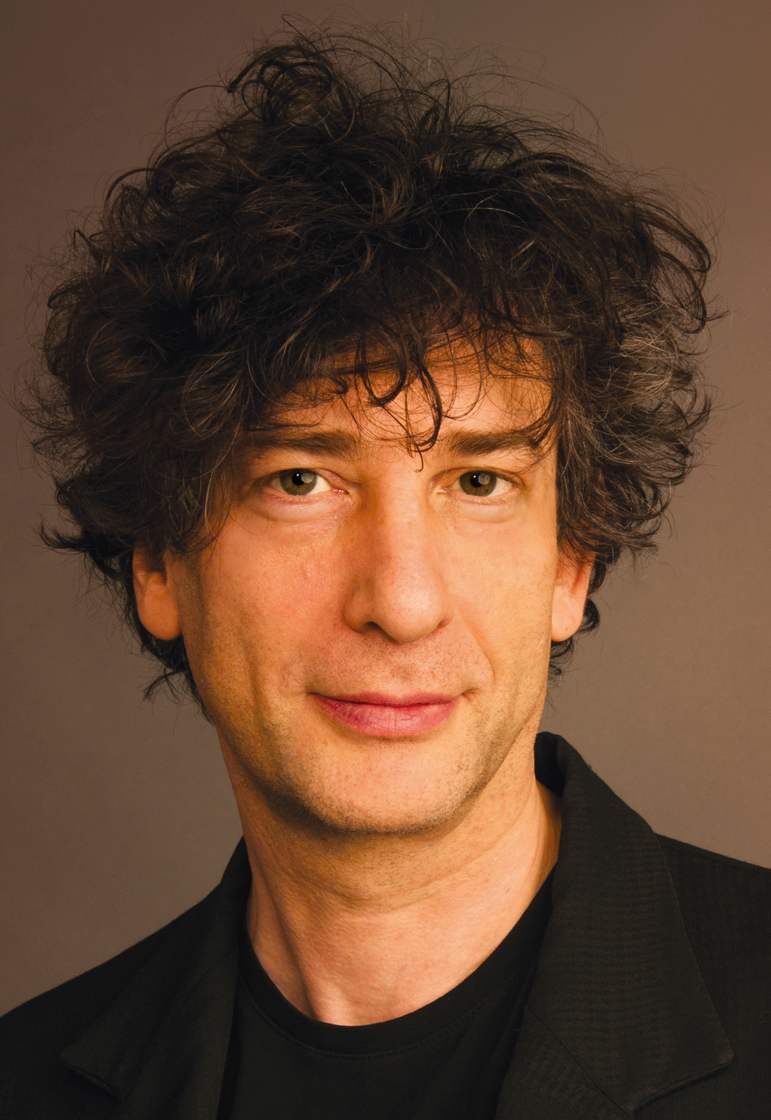
Neil Gaiman – The Graveyard Book
Omniscient POV
headshot neil gaiman
– Make sure there’s tension with very high stakes from the get-go.
– Cleverly reveal characters and events in ways that allow readers to put together clues and figure out for themselves what is happening, like an inside secret between author and reader.
– Do a little historical research then let your imagination soar.

Rachel Hartman – Seraphina
1st Person POV
headshot rachel hartman
– Know your world so well you don’t have to explain it. Start the story in a way that reveals your alternate world in all of its differentness without confusing the reader.
– Have a clear understanding of the desires and weaknesses of each of your characters, not just the main ones, so that each one shows growth by the end of the story.

Holly Black – The Darkest Part of the Forest
3rd Person POV
headshot holly black
– Set up the story in vivid detail, making the reader think they’re stepping into a normal teen world but then gradually revealing that this is not, in fact, a normal world at all. That kind of creeping revelation is so satisfying.
– Be a keen observer of human nature.

Rejection Letters – Save them or Trash Them?

b&w art by Steph-lol at DeviantArt.com

b&w art by Steph-lol – DeviantArt.com

Why save a rejection letter?
It’s an example of my tenacity! Evidence that somewhere in the world, someone has read my work.
But it’s a rejection letter, a generic one at that.
Rejection – dejection. The editor didn’t think your story was as amazing as you did.
A rejection letter is evidence of my ineptitude.
But some response is better than none at all. I’ll save it in a computer file.
Why? In saving a rejection letter, am I hanging onto something negative that might taint my writing in nearby files?

Or maybe…
I’m thinking about it too much.

On to writing the next piece, plotting the next novel, submitting the next story.
I’ll deal with what to do with rejection letters the next time I receive one.
I’m okay with that.
For now.

Writer, How Do You Reward Yourself?

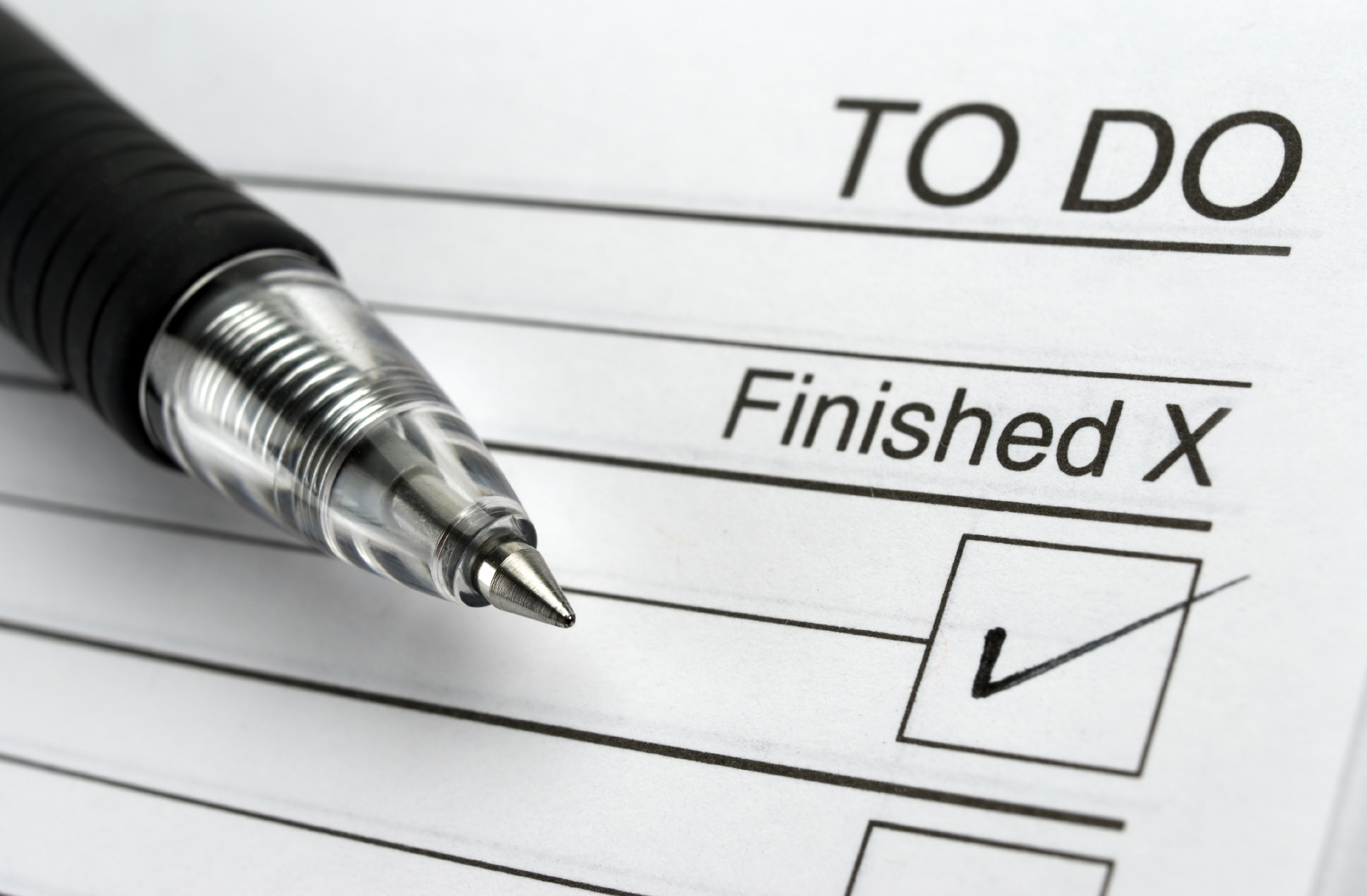
Closeup image of notepad with pen.

In the amorphous, potentially unstructured existence of a writer, it can be easy to fetter away precious writing time with distractions around the house, catching up on our favorite literary agents’ tweets, researching story tidbits, getting our slippers on just right, you name it. Before you know it, writing time vanishes and it’s time to interact with humanity, do chores, earn a paycheck, whatever.

Enter: goal-setting.  Setting goals, and rewarding myself when I achieve them, has made me a much more productive writer. Goal-setting certainly isn’t a new idea — tons of prolific authors do it. Crime thriller novelist Elmore Leonard wouldn’t allow himself a cup of morning coffee until he’d put in an hour of writing. That’s dedication. ::sip::

GOALS

Having a prioritized list of writing goals on hand really helps keep you focused. Some examples from my writing to-do list include:

[ ] write next two chapters of WIP

[ ] spend 30 minutes outlining next book

[ ] edit new draft of short story

REWARDS

Along the way, as you accomplish your writing goals, it’s important to reward yourself. This, I think, is the part a lot of people overlook. Here are some examples of rewards I give myself.  I’m always on the lookout for new ones, so if you’ve got good suggestions for rewards that cost little to no money, please post in the comments.

  • green pens – I don’t really have writing superstitions or inclinations other than this:  I love editing in green ink.
  • small notebooks for jotting down story ideas where cell phones aren’t convenient or allowed.
  • online subscriptions to sites like Duotrope and QueryTracker
  • allowing myself to spend time on social media, blogs, author sites, etc.

I hope this helps you in some way. Happy writing!

10 Favorite Questions for Writers and Readers

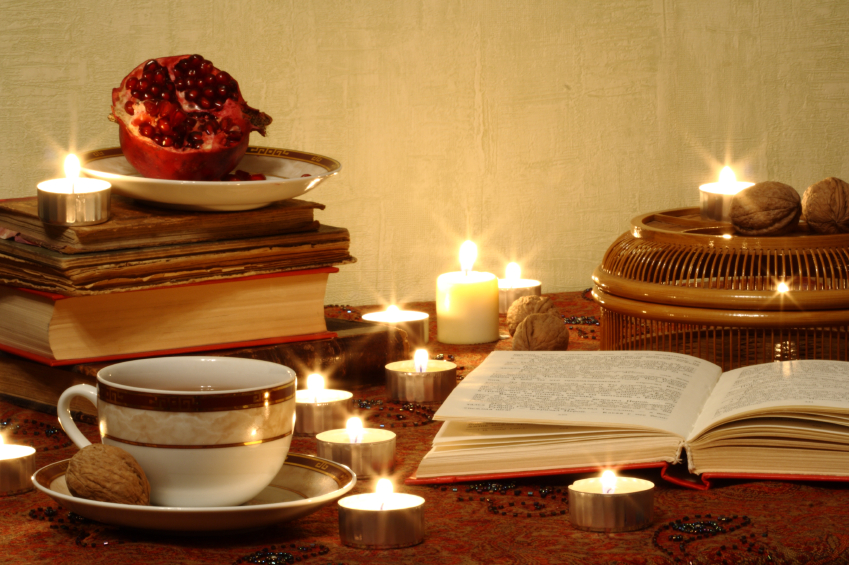
Still life with pomegranrte and tea

Literature lovers, come on in and try your hand at answering any or all of these fun questions about writing and reading. Here’s a cup of tea to sip on while you consider your answers. (Your favorite kind of tea? What a coincidence.)

1. What’s your favorite book cover?

2. Do you read books more than once? Which ones?

3. What’s the scariest thing about writing?

4. What is the most amazing thing about writing?

5. Where is your favorite place to write? To read?

6. When’s your best time of day to write? Why?

7. What are some of your favorite words?

8. What’s one thing that would tell you you’ve “made it” as a writer?

9. In terms of writing or reading, what’s the best thing anyone could say to you right now?

10. Insert your own question here and then please answer it (because I couldn’t think of a tenth question).

11. Have you ever been published? Where? (I did come up with a tenth question, oh well.)