A brief word about writing success, featuring Eve 1 and Eve 2

fear of success banner.jpg

EVE #1: How are you ever going to publish novels if you keep spending too much time online?

EVE #2: But going online is fun! I’m learning about all kinds of books I’d like to read, and I love talking with other book lovers and writers.

EVE #1: Seriously, though, as soon as you progress to a point where you might actually complete a really good novel–as in ready to send out to agents–you get distracted and start spending more time online. What’s up with that?

 EVE #2: Yeah, what IS up with that? I think I may have a fear of success.

EVE #1: Fear of succe–what even is that? . . . Okay, here. . . Susanne Babbel, Ph.D., M.F.T., could you please tell us what you wrote on Psychology Today about fear of success?

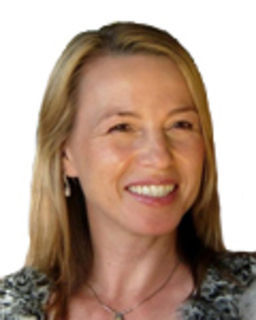
Susanne BabbelSusan Babbel, Ph.D., M.F.T.: People who have experienced trauma may associate the excitement of success with the same physiological reactions as trauma. They avoid subjecting themselves to excitement-inducing circumstances, which causes them to be almost phobic about success.” 


EVE #2: Whoah, that’s deep. Is anyone else finding it difficult to ignore that “Babbel” is a hilarious surname for someone who probably engages in a lot of talk therapy?

EVE #1: Focus, Eve. You’ve been through trauma. It’s something to keep in mind. You don’t want it to hold you back from your dreams.

 EVE #2: Alright, I will definitely keep it in mind. Now. . . I have an admission to make.

EVE #1: Uh-oh.

 EVE#2: I think today might have been first.

EVE #1: A first? So you made good headway on the novel?

 EVE #2: A little. But, nope, this is about headway I made on someone else’s novel. . .

EVE #1: So you’re reading other books? That’s great. They say reading lots of novels makes you a better—

 EVE #2: Better writer, blah-blah. Listen. . . today I may have made my first book purchase based purely on the gorgeousness of the author.

EVE #1: You bought a book because the guy in the picture was cute?

 EVE#2: Sort of, well. . . definitely. He had great hair and looked really clean. He was wearing a sexy winter coat, and his face had this perfect expression between serious and smiling. And he was on the chubby side —you know how I love those teddy bear guys.

EVE #1: Care to tell us who it was?

EVE #2: No way!

EVE #1: So you bought this guy’s book? You just went and bought it based purely on his looks?

EVE #2: Well, I read the excerpt first.

EVE #1: And you’re probably HOPING his writing is as “cute” as his looks.

EVE #2: I cannot disagree with that statement.


–Eve Messenger

Poll: Why Some Books Take Forever to Read #amreading

girl reading book Kerry Ciccaglione Clipartbest

graphic: Kerry Ciccaglione-clipartbest.com

In the golden age of Goodreads, it’s a joy and a badge of honor to be able to list the dozens of books we’ve read and, of course, fangirl over them with fellow book junkies. 😀 We LOVE reading novels! However, sometimes a book feels like it takes forever to read. Why? It might happen with short books or long ones, with books we enjoy and (more often) with books we don’t. When it seems to take an eternity to get through a book, what is the #1 reason?

What I Learned as a Writer in 2015 #writerslife #amwriting

In pursuing my ambition to publish great YA novels, here are some things I learned over the past year:

  1. Beyond the thrill of being able to express my passion for writing and books, there are great benefits to blogging, the best of which is getting to know creative, supportive fellow writers and book lovers, many of whom I now consider friends. I see you, Tracy L. Jackson, Beth @ betwixt-these-pages, Kelly Deeny, Elena Johansen, FamilyRules, Wallace CassAnnika Perry,  Pat Sherard, The Glitter Afficianado, Stephanie @ Eclectic ScribblingsMelanie Noell Bernard, Nate Philbrick,  Sabrina Marsi BooksJennifer F. Santucci, Mackenzie BatesStephanie @ yourdaughtersbookshelf Karen @ MyTrain of Thoughts,  Amanda d Bat,  Carolyn @ A Hundred Thousand StoriesErica @ Books the Thing,   the bookwormgirls123.
  2. I am better at editing a first draft on the computer than on a hard copy, even though a lot of advice-givers recommend against it.
  3. A style sheet is helpful, especially for tracking important plot dates.
  4. Literary agents are regular folks and book lovers just like us.
  5. To write first drafts without censoring myself.
  6. To create headers for each scene in Word so I can easily find them later using the navigation screen.
  7. To  keep a “book blurb” Word file for when I feel especially excited about my novel and get ideas on how to pitch it in future query letters.
  8. Short stories are not my preferred medium; what I truly love is writing novels (and I’m sort of learning it’s okay to be better at some things than others.)
  9. Flash fiction is fun…and challenging.
  10. Collecting images for novel inspiration boards on Pinterest is a blast and really does stimulate ideas.
  11. It’s still great to be able to hold a book in my hands, but reading novels on electronic devices won’t kill me.
  12. I want to get more into #bookstagram and #booklr.
  13. Saving the previous draft of a story before making editing changes avoids a lot of lost good writing.
  14. All writers, even the most successful ones, find writing novels to be really hard work.
  15. When I stay away from my novel for too long, I forget I’m actually good at writing it.
  16. Even when I’m afraid to work on my novel, I do have the discipline and faith to always return to it.
  17. Daily writing goals and rewards make me a much more productive writer.
  18. My writing really does improve with practice.
  19. Beta critiquing other people’s novels makes me a better writer.
  20. Google Docs is a really handy tool that allows me to work on manuscripts on my phone, home computer, out-of-town relatives’ computers, and hotel lobby computers. . . but I still always keep multiple back-up copies of my work.
  21. A change purse is a great place to keep a flash drive.
  22. I really am dedicated to publishing YA novels and maybe, just maybe, I am worthy of success.

How to Motivate Yourself to Finish Your Novel #amwriting #writerslife

As my adored and esteemed writing friend Tracy L. Jackson once wisely said, “Writing a novel is a marathon, not a sprint.” Good advice! Completing a marathon–just like completing a novel–takes endurance. And, despite our hard work and passion for writing, sometimes we lose our motivation. Why? What are the internal hurdles that get in our way?

The main hurdle is fear. I’ve never finished a book before–I mean, really finished, as in multiple drafts rewritten and polished to completion (notice I didn’t say “perfection.”). Over the past couple of years I’ve knocked out first, second, and thirdish drafts of three novels, and the process has taught me a lot, but now I’m working on a novel that I really want to take all the way to publication, and I want to do the story and characters justice.

That’s scary. Maybe there are some writers out there who write and write and rewrite and let nothing stand in their way until their novels are finished. Maybe I’m not that ballsy, but I am no less committed. For me, the process of writing (and finishing) novels includes figuring out how to get past the hurdles.

For example, I recently stood at the glorious precipice of two blissful weeks of winter break: no work to report to every day, pretty much all the free time I wanted, and yet I found myself stalling, stalling, stalling and finding a million reasons not to work on my novel. To get past this hurdle, here’s what I told myself:

Close Your Eyes
Breathe
Shift Perspective

Then. . .

Visualize Your Success

For me, visualizing success means seeing a row of my published novels sitting on a shelf. That simple, but it still wasn’t getting me working on my novel. There were FAR too many other, fun, easy ways to occupy my  vacation time: playing with the dogs, checking out my husband’s woodworking projects, blogging, finding out why the neighbors are moving, playing online word games. Everything except writing. So I asked myself:

Do You Want to Publish Novels?

Of course, my answer was a resounding yes. So . . .

Find a Way to Get Excited about the Novel

I reached into my bag of tricks and found something to get me excited about working on my novel–the kind of excitement and enthusiasm that supersedes fear.

In this case, I recalled how one of my dream agents told me that, even though she’s currently closed to queries, she will accept my mine. . . as long as I send it before the end of January 2016. (Yikes, that’s coming up soon). Remembering this got  me excited and served as a powerful motivator to work hard at finishing my novel.

Set Goals and Track Progress

Setting writing goals has helped me enormously over the past few years, so when I hit that “stall wall” at the beginning of winter break, I sat down and decided on a reasonable writing/editing goal of two hours day (including weekends). Then I did something I’ve never done before: I created an Excel spreadsheet to track the time I put in each day. “Clocking in” on that spreadsheet and seeing my writing time add up has been indispensable for keeping on track with my writing goals. Here’s a copy of my Writing Time spreadsheet in case you’d like to give it a try.

Reward Yourself

Most of us probably can’t afford to reward ourselves with new cars or spa days for achieving our writing goals, so what I did was pay a visit to OrientalTradingCompany.com and buy myself a set of stickers. Yep, that works for me because, in my world, no one is too old for stickers! And I’m not too proud to admit that I gleefully pore over that sheet of stickers and choose exactly the one I want to reward myself with when I complete my writing goal for the day.

Stickers - 50 United States rotated.jpg

Doing all of this helped me climbed the “stall wall” and, as always, the more I work on the novel, the more I fall in love with it, which makes me WANT to return to it each day.

–Eve Messenger

Book Fangirling Blog Award #amreading

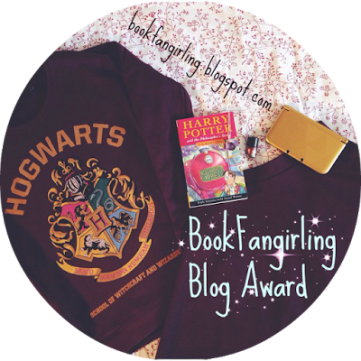
Book Fangirling Award

Sweet, smart, book-loving Sabrina @ SabrinaMarsiBooks nominated me for the Book Fangirling Blog Award. Thanks, Sabrina!

Rules:

  • Create a post to accept your award.
  • Add the blog award button into your post and put it on the side of your blog as a widget. Visit fangirling for the award button.
  • Answer the questions I have below.
  • Nominate between 5-10 book bloggers who you think also deserve this award.
  • Come up with your own 5 questions for your nominees.

* * *

  1. What is the most overrated author/book in your opinion?
    Oh, I’m going to get into trouble with this one. John Green is genuinely talented, so I wouldn’t call him overrated, but maybe ‘overhyped’ is the word. There are so many brilliant YA authors and books being published that it seems out of balance for John Green’s novels to take up, depending on the month,  40%-60% of YA bestseller lists. Then again, not every author has a Hank Green.
  2. What book are you currently reading/what are you going to read next?  
    Right now I’m reading Mr. Penumbra’s 24-Hour Bookstore. Next up is either Magonia or The Diviners.  
  3. Favorite place to read?
    I love cuddling up with a book and reading in bed . Marilyn Monroe reading in bed.jpg
  4. Book character you would like to be best friends with?
    Calaena from Throne of Glass, for sure, because she’s adventurous, funny, and loyal toward those she trusts. Her friendship with Princess Nehemia is one of my all-time faves.

    the_assassin_and_the_princess_by_meabhdeloughry-d93n08e

    The Assassin and the Princess by meabhdeloughry

  5. Book you’re most embarrassed to have never read?
    I’ve never read the Twilight series. Should I?

Twilight poster.jpg

I nominate. . .

Carolyn @ A Hundred Thousand Stories
Valerie @ Pajama Reader
Elena Johnson
Kerry @ Comfy Reading
Rae @ Bookmark Chronicles

Your Questions

  1. What’s your favorite book genre and why?
  2. What’s your least favorite book genre and why?
  3. If, as yourself, you could jump into any fictional world for a day, which would you choose and why?
  4. What are your three favorite bookalicious Internet sites (blogs, Goodreads, Twitter accounts, Tumblr feeds, #bookstagram, etc.)?
  5. How do you decide which books to add to your TBR?

Writer Do Nots

This advice is so spot on that more writers deserve to see it.

samurainovelist's avatarSamurai Novelist

Take this advice to heart:

  1. Never write a novel to prove something.
    If you are going to be a novelist, then just do your job. Publishing a novel is not a way to prove something. The objective of a work of fiction is to transport the reader to another world created in print. It is not meant to impress people who have no intention of being transported and probably only will be looking for faults in your work anyway.
  2. If you write for your own therapy, it’s not for publishing.
    Every writer has a book that is not meant to be published. We might call them private journals, notes, fiction for my own consumption, whatever. If you write something for yourself, keep it to yourself. There is nothing shameful about writing something that cannot be published. And things that are written for your mental well being rarely accomplishes the objective…

View original post 640 more words

#RockMyTBR Challenge #amreading

Hello, fellow book junkies! I know it’s early to be saying this, but I am getting so excited for 2016. Not only will it be the year that I start querying my own YA novels, it will also be filled with reading many, many great new books. I’m stunned, amazed and grateful for all the talented new literary voices emerging in the world of young adult fiction (Becky Albertalli, I’m looking at you). I want to read every single one of those new books and also get to the older ones I’ve been thinking about for so long. (A Tree Grows in Brooklyn, will I ever know you?) Speaking of which…my pile of TBR books is getting dangerously high.

That is why I’m especially grateful for Sarah K, The Book Traveler’s, fabulous new “Rock My TBR” challenge. (Also worth noting is that Sarah K creates the most beautiful book trailers you’ve ever seen.)

The Rock My TBR Challenge is to…

  • Read a minimum of 1 book per month you already own (published book). This challenge is totally what YOU make of it! You can do 5 books a month, 10, WHATEVER! Anything you accomplish is fantastic.
  • Buddy Reads:  Make a list! If you can, create a list of books you own and want to read then post it, tweet it, video it and try to find others who want to read the same book. Buddy reading is so much fun! It’s great having other people to fangirl/fanboy with while you’re currently reading. This is optional but I think it’d be fun!

Here’s  more info in case you’re interested.

This is a list of books I own that I’d like to read in 2016. I’m shooting for reading two a month (in addition to others I’ll surely buy or borrow along the way). If there are any books on this list that you would also like to read, please drop me a line so we can read them together, kind of like having a workout partner to stay motivated.

The Diviners by Libby Bray – read Jan. 2016

Mr. Penumbra’s 24-Hour Bookstore by Robin Sloan – read Dec. 2015

The Door That Led to Where by Sally Gardner – read Jan. 2016

The Future of Us by Jay Asher – read Jan. 2016

A Tree Grows in Brooklyn by Betty Smith –buddy read with Jan and Beth @ betwixt-the-pages  Feb. 2016

 A Darker Shade of Magic by V.E. Schwab –read Feb. 2016

Vivian Apple at the End of the World by Katie Coyle – read Feb. 2016

Angelfall by Susan Ee – read Feb. 2016

Casquette Girls by Alys Arden – read March 2016

Uglies by Scott Westerfeld – read April 2016

White Cat (Curse Workers #1) by Holly Black – read May 2016

The First Fifteen Lives of Harry August by Claire Northread June 2016

A Thousand Pieces of You by Claudia Gray-read June 2016

The Cost of All Things by Maggie Lehrman-read July 2016

Made You Up by Francesca Zappia-read September 2016

The Sky is Everywhere by Jandy Nelson

The Lemoncholy Life of Annie Aster by Scott Wilbanks

Mistborn by Brian Sanderson – planNED to buddy read with Sarah K @ The YA Book Traveler mid-Feb. 2016 but just not feeling it. 

The Winter People by Jennifer McMahon

Yes Please by Amy Poehler

The Art of War by Sun Tzu

Gambit by C.L. Denault

The Paper Magician by Charlie N. Holmberg

The Winter’s Tale by William Shakespeare

The Art of Racing in the Rain by Garth Stein

How about you? What are some books you’d really like to get around to reading in 2016?


Writing and Balancing Social Media #amwriting

social-media

graphic courtesy of Ryan Lanz @ A Writer’s Path

As writers, most of us have four jobs: our day job, family life, writing, and social media. For obvious reasons, we have to spend time at our day jobs. We also have to spend time with our families because, well, relationships make life worth living. As for writing, that’s non-negotiable. Except it is. Even when our life’s ambition is to publish novels, we don’t always make enough time to write, and sometimes (often) the culprit is our fourth job, social media.

If you’re like me, you worry that you might be spending too much time on social media. Try not to beat yourself up about this too much. Marketing experts and industry specialists universally agree (I know, that surprised me, too) that, if you’re serious about building a writing career, social media is necessary. Authors must be visible to the public, accessible, and connected to what is happening in the publishing world.

Yay, so we don’t have to worry that we’re spending too much time on social media!

Well, maybe.

How Do You Know You’re Spending Too Much Time on Social Media?

Most of us have an innate sense for when we’re spending an unhealthy amount of time online. And our manuscripts definitely know because they’re not growing as fast as we’d like them to.

According to literary agent and writer’s-best-friend, Jane Friedman, “If it’s starting to drag on your resources and time to do other things more important to you (such as writing), then it’s time to re-assess.”

Why is social media so tempting?

“When we go on these sites, our underlying drive is to satisfy that innate need to connect to others. It comforts us and fulfills us to know that we are not alone.” Well put, Melissa Joy Kong.

Speaking mostly for myself, I’ll hazard a guess that writers are particularly susceptible to social media’s siren call. Since we writers are not the world’s most extroverted creatures (hence, we immerse ourselves in imaginary worlds), the “comfort” of social media is logically a huge temptation.

Now for the Big Question . . . How to Balance Writing and Social Media?

#1 Set Goals and Prioritize

Just like setting goals for your writing, also set goals for the time you spend on social media. Joshua Graham recommends that you “Make to-do lists every day and put tasks in priority order.”

#2 Quality over Quantity

Don’t try to do it all; stick to social media platforms you enjoy and do them well. If blogging every day doesn’t negatively impact your writing time, then go for it. However, Chuck Sambuchino suggests, “It’s very possible to have a platform with the ‘less is more’ philosophy, as long as you focus on the absolute quality of your efforts.”

#3 “Batch” Your Time

There’s this term efficiency experts use called “batching” time. This means setting aside blocks of time for, in our case, writing. During that time block, all you should do is write. Then you can set aside other blocks of time for blogging and each social media platform. You’ll get far more accomplished if you’re not constantly switching between blogging, Twitter, Facebook, Pinterest, Instagram, Tumblr and, of course, all-important writing.

If resisting social media during your writing block is too difficult, consider downloading the Anti-Social app ($15), which you can program to block overly tempting websites during time periods that you set.

#4 Frontload Blog and Social Media Posts

During your “blog time block,” frontload blog posts. For example, set aside each Sunday afternoon to write all your blog posts for the week. You can also write and schedule social media posts in advance using programs like Hootsuite.

#5 Set a Daily Limit on Your Social Media Time

What is a reasonable amount of time to spend on social media? “It varies from person to person” is an answer I hate, so I won’t say that. Instead, I’ll give you Jody Hedlund’s wise answer, which is: “The time we give to our writing should be greater than the time we spend on marketing.” This makes sense, right, writers?

Here’s my favorite answer. (Way to be bold with your very specific answer, Katie Wagner.) In her video blog, Wagner says you should engage in social media for “fifteen minutes, three times a day.” During each fifteen-minute social media block spend:

  • Five minutes posting;
  • Five minutes responding to posts from others;
  • Five minutes reading and commenting on other people’s blogs and social media accounts.

There you have it. If you follow all these suggestions, you will never again have to worry about spending too much time on social media.

Right?

Well, except that we’re writers and we’ll always find reasons to worry. Plus, we’ll probably still spend too much time on social media. But even if you incorporate one or two of these suggestions into your daily or weekly routine, you’ll be making more time to write, which will move you ever closer to your ultimate goal of publishing novels.

If you’ve found other ways of balancing writing and social media, please share!

— Eve Messenger

To Publish Books, You Must Write #amwriting

https://evemessenger.com/wp-content/uploads/2015/12/2c858-ahappywriter.jpg

In the mad rush of writing, reading, and living life, it’s important to pause and reflect because from reflection comes awareness, and from awareness comes new goals. Setting new goals helps me continually improve myself both as a writer and as a human being. It isn’t always easy, especially because there are so many things I could improve upon. Where to start?

I decided to reflect upon why I was able to write twice as many words during National Novel Writing Month (NaNoWriMo) last year than I did this year.  This November, I crossed the NaNoWriMo 50k finish line with 1,535 words to spare. Yay, I’m a “winner,” but it’s a far cry from last year’s 112,000 words. What changed? Here are some of the things I did differently during NaNoWriMo last year.

-I wrote every morning.

-I frequently left the house to write. Coffee houses, the public library, and the university library all worked well.

-I had not yet started blogging and tweeting. Surprise, social media sometimes draws my attention away from writing.

-I wasn’t reading nearly as many books. This November I read eight novels while participating in NaNoWrimo. In order to do this, I had to cut out pretty much all TV shows and movies–which isn’t necessarily a bad thing.

-I was a lot more interested in last year’s novel than the one I wrote during NaNoWriMo this year.

-I wrote with 100% carefree abandon. This year I was a tad bit more careful so the resulting first draft wouldn’t be quite such a traumatic mess.

-I didn’t have other areas of my life crowding out my writing time so much. Oh, dear reader, over the past couple of months I had a major personal thing happening and, boy, did it take me emotionally and physically away from writing, but hey, no excuses, right?

So. . . this year, things changed. Life does that. In reflecting on the differences in productivity between NaNoWriMo past and present, I’ve decided to:

  • Make it a priority to reestablish a morning writing routine.
  • Be more mindful of the time I spend on social media. I’m SO grateful for the kind and talented writers and readers I’ve connected with through blogging and social media. They have made the pursuit of a writing career so much less lonely. And I’ve learned so much about publishing and writing, as well as great new books to read. I’ve also gotten a good grasp on what makes a good query letter (thanks especially to literary agent Janet Reid of Query Shark). And I have assembled a long list of excellent literary agents with whom I’d like to work, thanks to lots of internet research, agents’ blogs and tweets, and industry insights gleaned from sites like querytracker.net. Those are all good things to be aware of, and to be prepared to execute well when the time comes. But…

To publish books, you must write.

Though I’m not at a place where I feel the need to set limits on my social media time, I do realize that–as a person whose dream, goal, and mission is to publish successful YA books–more of my free time should be spent writing.

If you’ve come up with good ways to create a balance for yourself between social media and writing, I’d love to hear about them.

–Eve Messenger

YA Books – Recent, Current, and Upcoming Reads

Today I’m feeling especially aware of the BIG CRUSH I have on novels, and November is turning out to be a particularly good month–every read is like striking gold. For this, I am grateful to book bloggers and their excellent recommendations.

RECENTLY READ: Vanishing Girls by Lauren Oliver
This book. The first few chapters of Vanishing Girls did not at all prepare me for what was to come. Oh, me of little faith. This is Lauren Oliver, remember, Eve? Your possibly-new-favorite author.

 CURRENTLY READING: Simon vs. the Homo Sapiens Agenda by Becky Albertalli
When researching literary agents and the kinds of YA manuscripts they’re looking for (in preparation for the day when one of my novels is FINALLY ready to query), I often read that agents are looking for “voice-y” novels. “Voice-y,” I get it, but then along comes Simon vs. the Homo Sapiens Agenda, and now I really get it. Simon has SUCH a voice. He is REAL. With his wry wit and honesty about himself, Simon is so relatable.

I’m only 55 pages in, but so far this story has a compelling premise. Simon is gay and has yet to come out of the closet, but he shares his secrets in email communications with a boy who goes by the alias Blue. Blue attends Simon’s same high school, but they’ve never revealed their true identities to one another, so with every male high school student that’s introduced, you (and Simon) wonder if he might be Blue. I also can’t help but wonder if maybe Blue isn’t really who he claims to be, and I love Simon so much already that I’m afraid he’s going to be disappointed.

ABOUT TO READ: The Knife of Never Letting Go by Patrick Ness
At last, my first Patrick Ness novel!